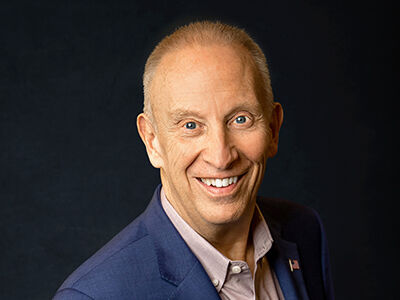
SOLVING LIFE'S NEXT CHAPTER - 09-06-26 - Cheryl Scheidell - use on hoilday
Podcasts > Solving Life's Next Chapter
Sunday, September 6, 2026
What Is a Reverse Mortgage? Myths, Home Purchases, Powers of Attorney, and More
On this episode of Solving Life’s Next Chapter, host Lydia Wietsma welcomes Cheryl Scheidell of Barrett Financial for an informative conversation about reverse mortgages and how they may help homeowners age 62 and older.
A reverse mortgage allows qualified homeowners to access a portion of their home equity without making required monthly principal-and-interest mortgage payments. The homeowner retains title to the property—the bank does not own the home. Like a traditional mortgage, the loan is secured by a lien and generally becomes due when the borrower sells the home, permanently moves out, or passes away. Homeowners must continue paying property taxes, homeowners' insurance, applicable HOA fees, and maintaining the property.
Cheryl explains how reverse-mortgage funds may be used to:
- Complete important home repairs or safety improvements
- Help pay for in-home healthcare or caregiving
- Supplement retirement income
- Pay off an existing mortgage or other eligible expenses
- Enjoy a meaningful vacation with children and grandchildren
- Create greater financial flexibility during retirement
Can You Purchase a Home with a Reverse Mortgage?
Many people are surprised to learn that a reverse mortgage may also be used to purchase a home. A Home Equity Conversion Mortgage for Purchase, commonly called a HECM for Purchase, may allow a qualified buyer age 62 or older to purchase a new primary residence using a combination of personal funds and reverse-mortgage proceeds.
This option may be helpful for seniors who want to downsize, move closer to family, purchase a more accessible home, or relocate to a community that better supports their next chapter—without taking on a required monthly principal-and-interest mortgage payment.
Common Reverse Mortgage Myths
During the show, Lydia and Cheryl address several common misconceptions:
- Myth: The bank owns your home.
Fact: The homeowner retains title. The reverse mortgage creates a lien that must eventually be repaid. - Myth: You can no longer leave the home to your family.
Fact: Heirs may have options, including paying off the loan, refinancing it, selling the property, or allowing the lender to handle the home when there is no equity. - Myth: Reverse mortgages are only for people experiencing financial hardship.
Fact: Some homeowners use them as part of a broader retirement, housing, or cash-flow strategy. - Myth: The homeowner can never be required to leave.
Fact: The borrower must follow the loan requirements, occupy the home as a primary residence, maintain it, and keep property taxes and homeowners' insurance current. - Myth: Reverse-mortgage debt automatically becomes the family’s personal responsibility.
Fact: Federally insured HECMs are generally non-recourse loans, meaning heirs typically are not personally responsible for a shortage when the loan balance exceeds the home’s value.
The episode also discusses options for families who inherit a home with a reverse mortgage—especially when the loan balance is greater than the property’s value. Immediate communication with the loan servicer, probate attorney, and a knowledgeable real estate professional is essential. Depending on the circumstances, an estate may be able to sell the property, address certain approved transaction expenses, and resolve the loan without the heirs becoming personally responsible for the remaining shortage.
Why Updated Powers of Attorney Matter
Lydia and Cheryl also explain why powers of attorney should be reviewed and updated regularly. A power of attorney allows someone you trust to handle certain financial, legal, or real estate matters while you are alive if you become unable to manage them yourself.
An outdated, incomplete, or unavailable power of attorney can create serious delays—particularly when a family needs to manage a home, communicate with a lender, or make important financial decisions. Some lenders and financial institutions may also require specific language or additional documentation before accepting one.
Most importantly, a power of attorney ends when the person who granted it passes away. It does not replace a trust, will, beneficiary deed, or other estate-planning document. After death, authority may pass to a successor trustee, personal representative, or another legally authorized person, depending on how the estate plan and property ownership were structured.
Tune in to Solving Life’s Next Chapter to learn how reverse mortgages work, separate common myths from the facts, explore purchasing a home with a reverse mortgage, and understand why updated estate-planning documents are so important.
Hosted by Lydia Wietsma
Certified Probate and Senior Real Estate Specialist
NextHome Power Realty
602.363.1720
SolvingLifesNextChapter.com
This program is for educational purposes only. Lydia Wietsma is not a lender or attorney. Reverse-mortgage eligibility, costs, requirements, and available options vary. Consult a qualified reverse-mortgage lender and an Arizona estate-planning or probate attorney for advice regarding your circumstances. Each office is independently owned and operated.
Related Episodes
SOLVING LIFE'S NEXT CHAPTER - 10-04-26 - Fall Home Maintenance and Senior Safety — Part 2
Sunday, September 6
SOLVING LIFE'S NEXT CHAPTER - 09-27-26 - Medicare Changes in 2026 - part 1
Sunday, September 6
SOLVING LIFE'S NEXT CHAPTER - Fall Home Maintenance in Arizona — Part 1
Sunday, September 6